OUR COURSE APPROACH
SupplyPath turns supply chain management into a connected set of practical decisions involving suppliers, orders, inventory, warehouses, transport, and customer demand.
WHAT GUIDES PRACTICE
CONNECTED PROCESSES
Each exercise follows material and information flow across the chain instead of treating procurement, warehousing, and transport as isolated tasks.
CHECKED ASSUMPTIONS
Demand, lead time, stock levels, and delivery
periods are checked carefully before a calculation or supply decision is made.
VISIBLE TRADE-OFFS
Supplier and transport choices are compared by cost, speed, capacity, minimum order quantity, and reliability rather than one factor alone.
INSIDE THE PRACTICE




HOW SKILLS DEVELOP
MAP THE FLOW
Draw a simple path from supplier to customer and mark where orders, goods, inventory updates, and delivery information move.
TRACE ONE ORDER
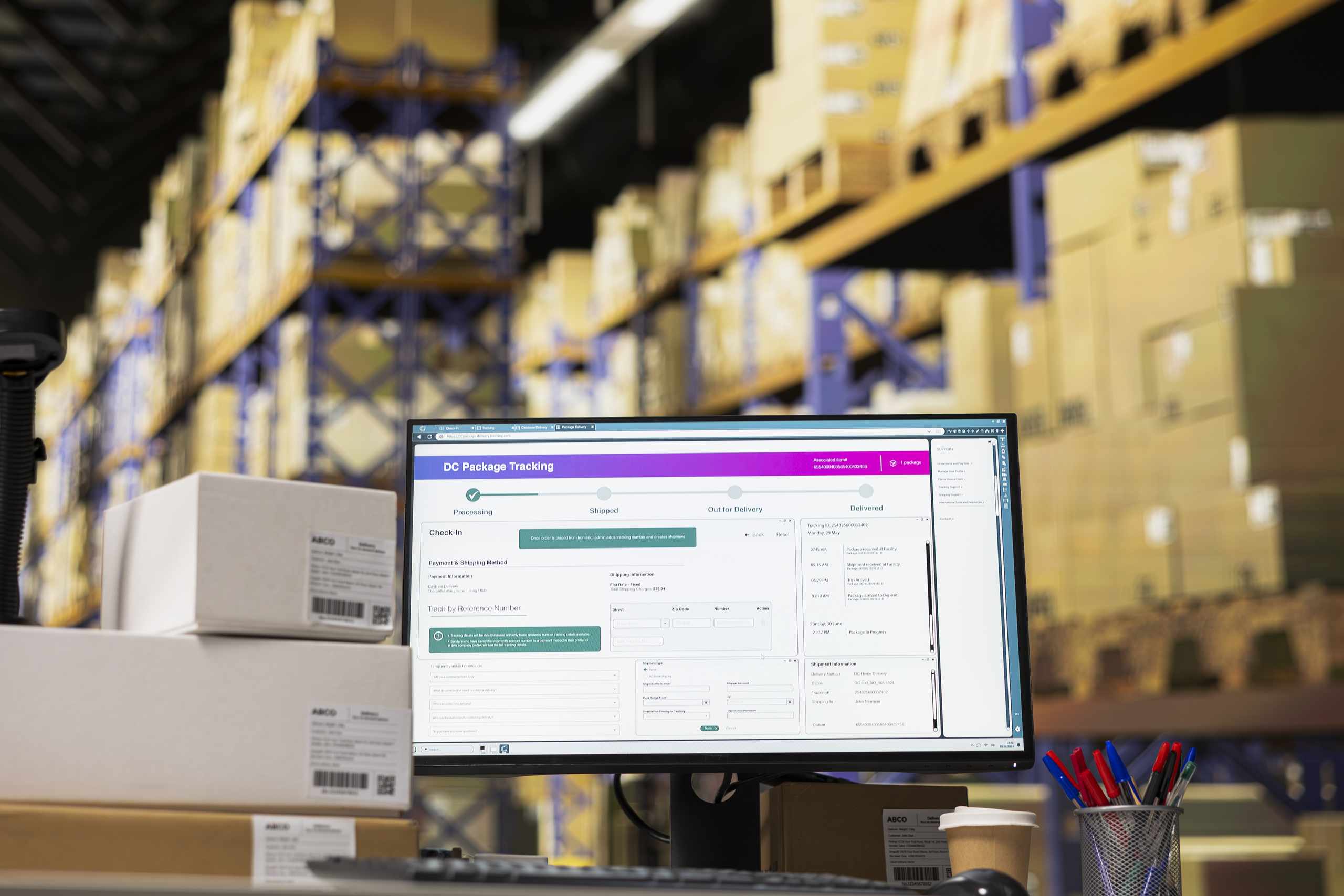
Follow a sample purchase through receiving, put-away, picking, packing, shipment, and final delivery to see how stages connect.
CHANGE ONE VARIABLE
Adjust demand, lead time, stock, or transport speed and observe how the change affects availability, cost, and delivery timing.
EXPLAIN THE DECISION
Use the available data to explain a supplier, replenishment, or transport choice and identify the trade-offs that remain.
CONTINUE WITH SUPPLY BASICS
Review practical articles on inventory, lead time, order flow, supplier checks, and transport decisions, or ask which topic fits your starting point.